
Most nonprofit websites treat every visitor the same. This one stopped.
Axis, the team behind The Culture Translator. The Giver Partnership, built on RightMessage + HubSpot. Live since May 2026, now on retainer.
Axis reaches hundreds of thousands of parents every week through The Culture Translator, decoding the music, memes, apps, and trends shaping a teenager's world through a Biblical lens. The audience is huge and it is loyal.
The website didn't know that. A first-time visitor, a faithful monthly donor, and a parent who had drifted away all landed on the same homepage and got the same ask. Most of the people who showed up never made it onto the list at all. They read one article and left. And the publishing team, as good as it is, was writing without a clear read on what parents were actually wrestling with that week.
So we added the layer that pays attention. The site now reads what each visitor cares about from how they behave, asks a couple of simple questions when the moment is right, and pulls in what Axis already knows from HubSpot. Then it responds with what fits: the invitation, the resource, or the giving ask that matches who that person actually is. The content team didn't take on a thing.
A few months in, here is what changed when the site started paying attention.
- Lift+18%
More signups. Match the opt-in headline to what a visitor already cares about and signups rise about 18% over a held-back control. Same page, same traffic, made relevant, with no extra ad spend. A true 50/50 test, not a guess.
- Clicked96%
Take the match. After a visitor tells Axis what they're navigating, the site hands back a resource matched to that exact concern. 96% click it, across 2,663 of 2,763 visitors. Relevance does the selling. They already told you what they need.
- Typical<20%Axis65%
Finish the survey. Most "tell us about yourself" forms never crack 20%. This one finishes at 65%, and every answer flows straight into the CRM as a named record, in the parent's own words.
- 8,805
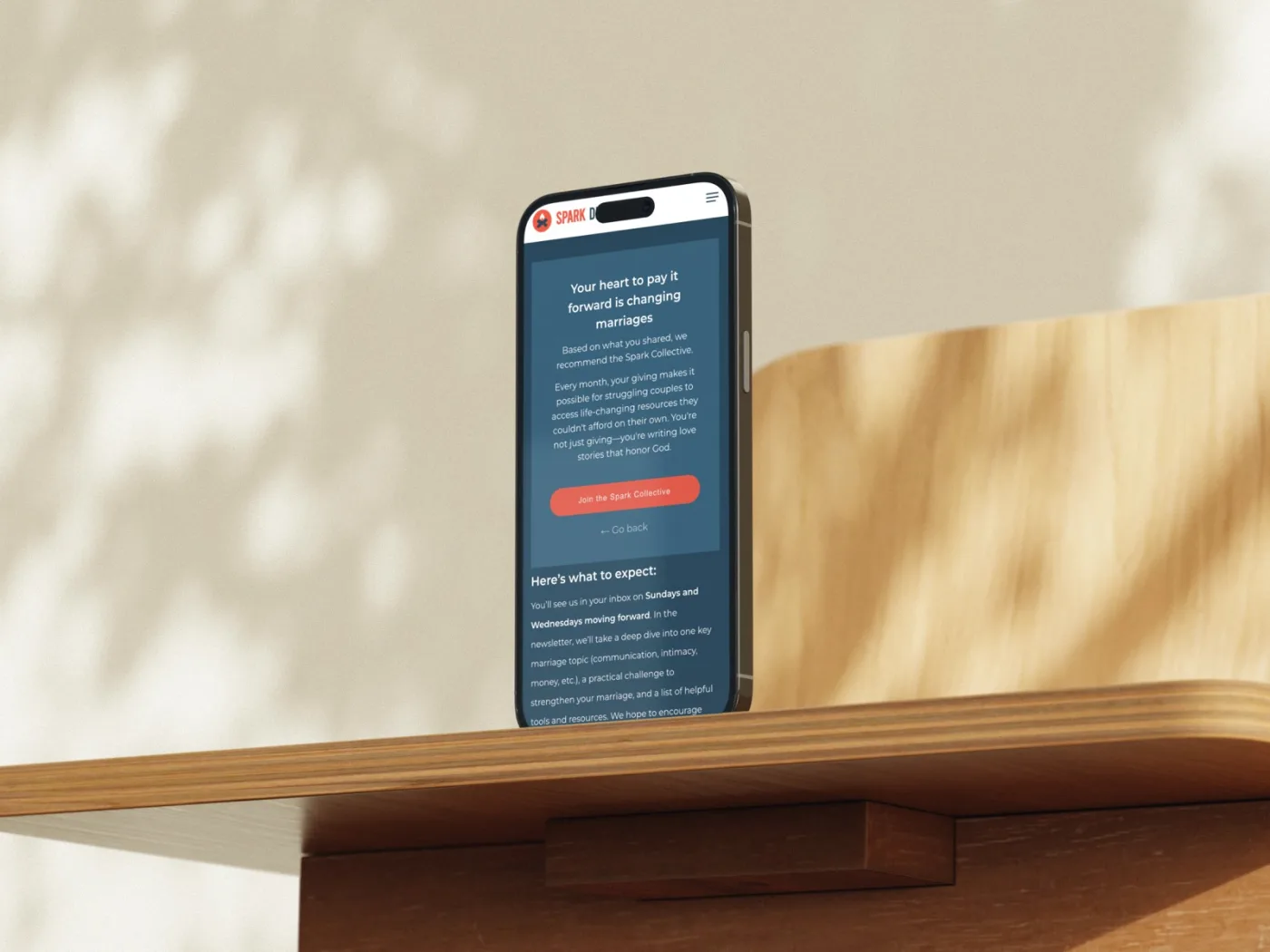
Donor-ready. The system spots who is ready to give before they raise a hand, flagging 8,805 donor-ready visitors by behavior. Your most invested supporters get your best content instead of the same homepage as a first-time stranger.
Those lifts meant more of the right people saw the right ask or the right offer and responded, turning engagement into gifts and sales.
Underneath those numbers is the part Michele cares about most. Parents are telling Axis, in their own words, the exact conversations they've been avoiding with their teen. Over 90 days, 2,311 told Axis whether there's a conversation they're dodging, and 438 wrote out exactly what it is, unprompted, all syncing into the CRM. That language flows straight to the publishing team, so they plan around what supporters actually need instead of guessing. The system makes the writing team write better, not more.
The first thing a new supporter heard from Axis was costing them one subscriber in fifty.
You spend money to earn a subscriber. Then the first email you send them talks past them, and one in fifty leaves on the spot. Some don't just unsubscribe, they mark you as spam, which taxes the deliverability of every email you send after that, to everyone else.
That was the old welcome sequence. Not because the writing was bad. Because it was written for nobody in particular, and sent on a clock instead of to a person.
So we rebuilt the front of the journey. New subscribers now get sorted by who they are and what brought them in. What the survey and their behavior already told Axis drives what they're sent. The sequence was retimed so a message lands when someone is ready for it, not on day two because day two was in the plan. And then, on top of all of that, the emails were rewritten for the person actually receiving them.
A welcome that knows who it is talking to, described in order.
- Trigger: Someone new joins the list. What they read and what they answered comes with them. Then: What brought them here?.
- Condition: What brought them here?. Read from the survey and how they behaved, not guessed.
- If A worry, continue to The thing you came here about.
- If A resource, continue to More like the one you took.
- If Already gave, continue to Thank you, and what it did.
- Email: The thing you came here about. Their concern, in their words, answered first. Then: settle.
- Email: More like the one you took. Matched to what they actually downloaded. Then: settle.
- Email: Thank you, and what it did. No second ask. They already acted. Then: settle.
- Delay: Wait 2 days. Nothing is sent, on purpose. Then: Placed by where they stand.
- Action: Placed by where they stand. The next message waits until it fits. Then: Into the rhythm, already known.
- Exit: Into the rhythm, already known.
- Unsubscribes−42%
Fewer unsubscribes. The rebuilt welcome sequence loses far fewer people at the door. Every one of them is a supporter Axis already paid to reach, kept instead of lost.
- Spam−77%
Fewer spam complaints. Spam complaints on the welcome email fell from 66 to 2. That's deliverability for the whole list, not just this one email, and it compounds across everything Axis sends.
- Replies+40%
More replies. More people open it, more people click, and more people write back. A welcome email that gets replies is a relationship starting, not a broadcast landing.
One honest note, because you'd rather hear it from us. Four things changed at once here: the segments, the personalization, the timing, and the copy. We can't tell you which one did how much, and we won't pretend to. That's the point. They're one system, and you buy them together, because the copy only works when it knows who it's talking to and when to show up. Every one of those results is statistically significant on its own, so the direction isn't in question. It's a before-and-after on the same flow, not a 50/50 test like the headline result above.
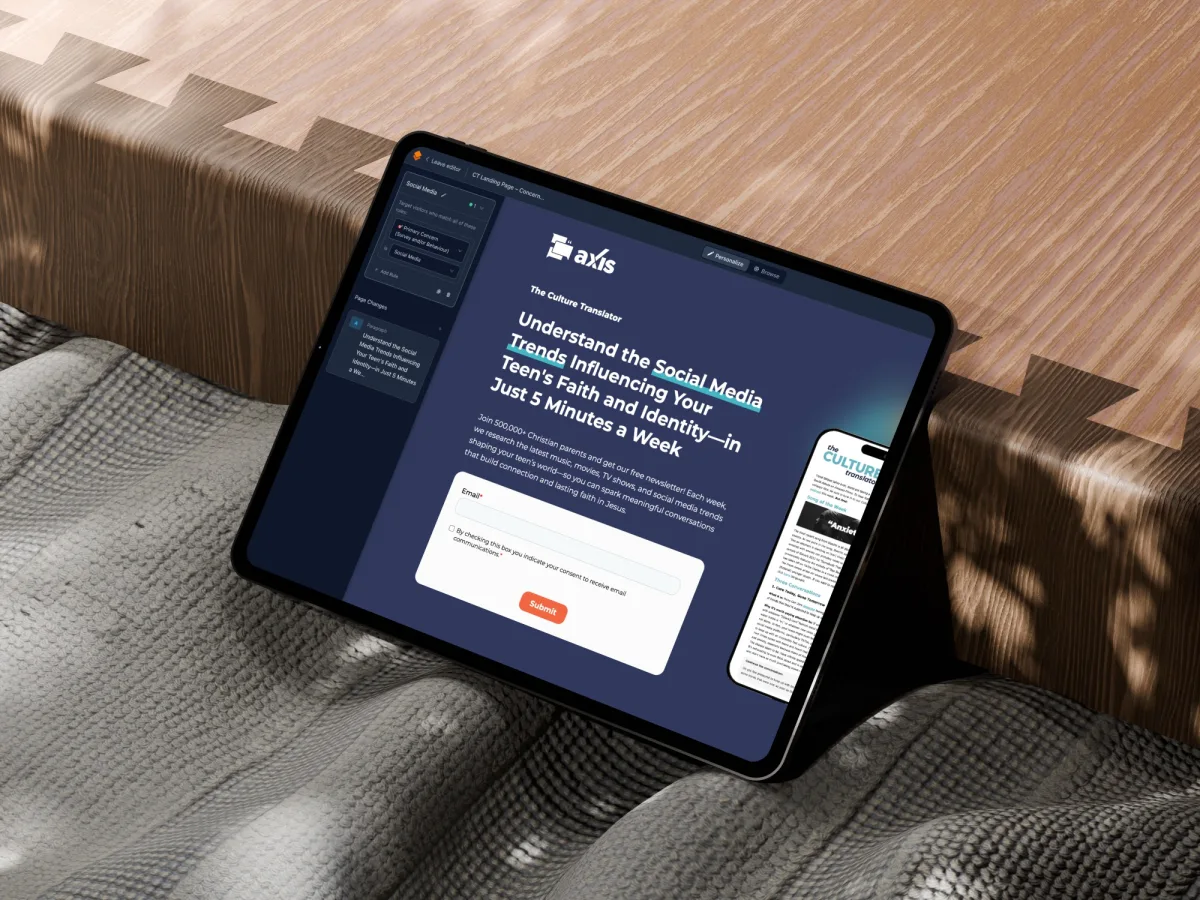 Concern-matched opt-in page
 Voice-of-donor survey, in RightMessage
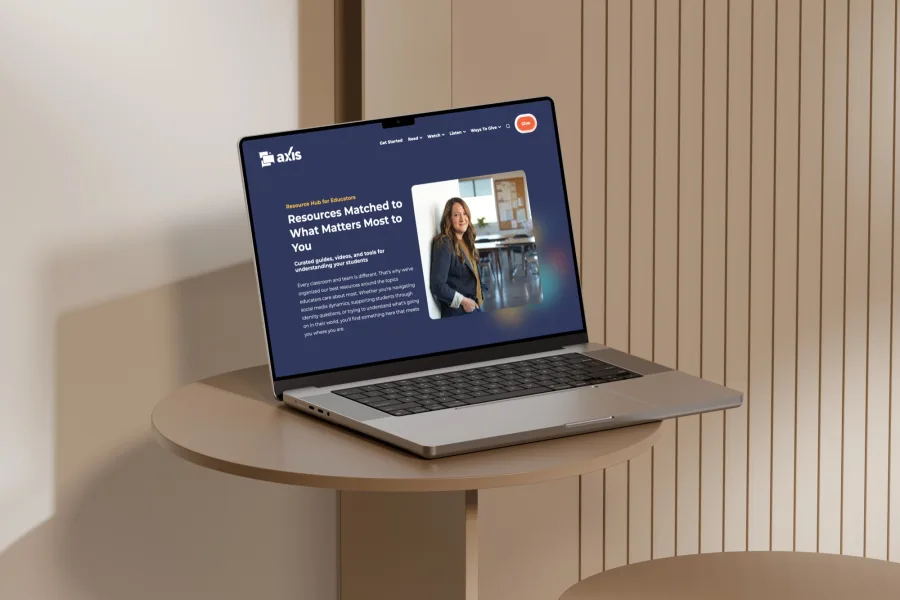 Resource Hub for Educators
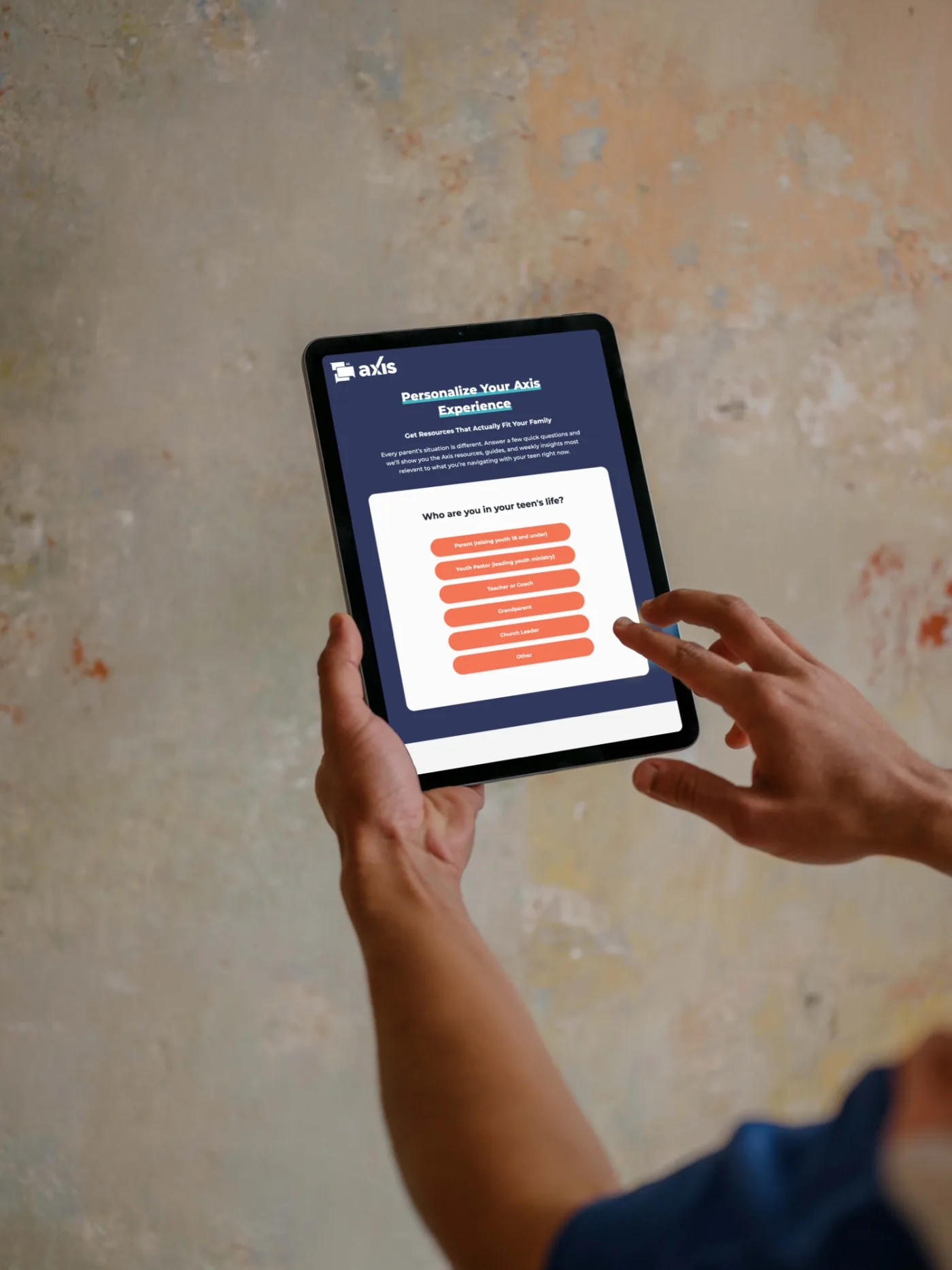 Personalize Your Axis Experience
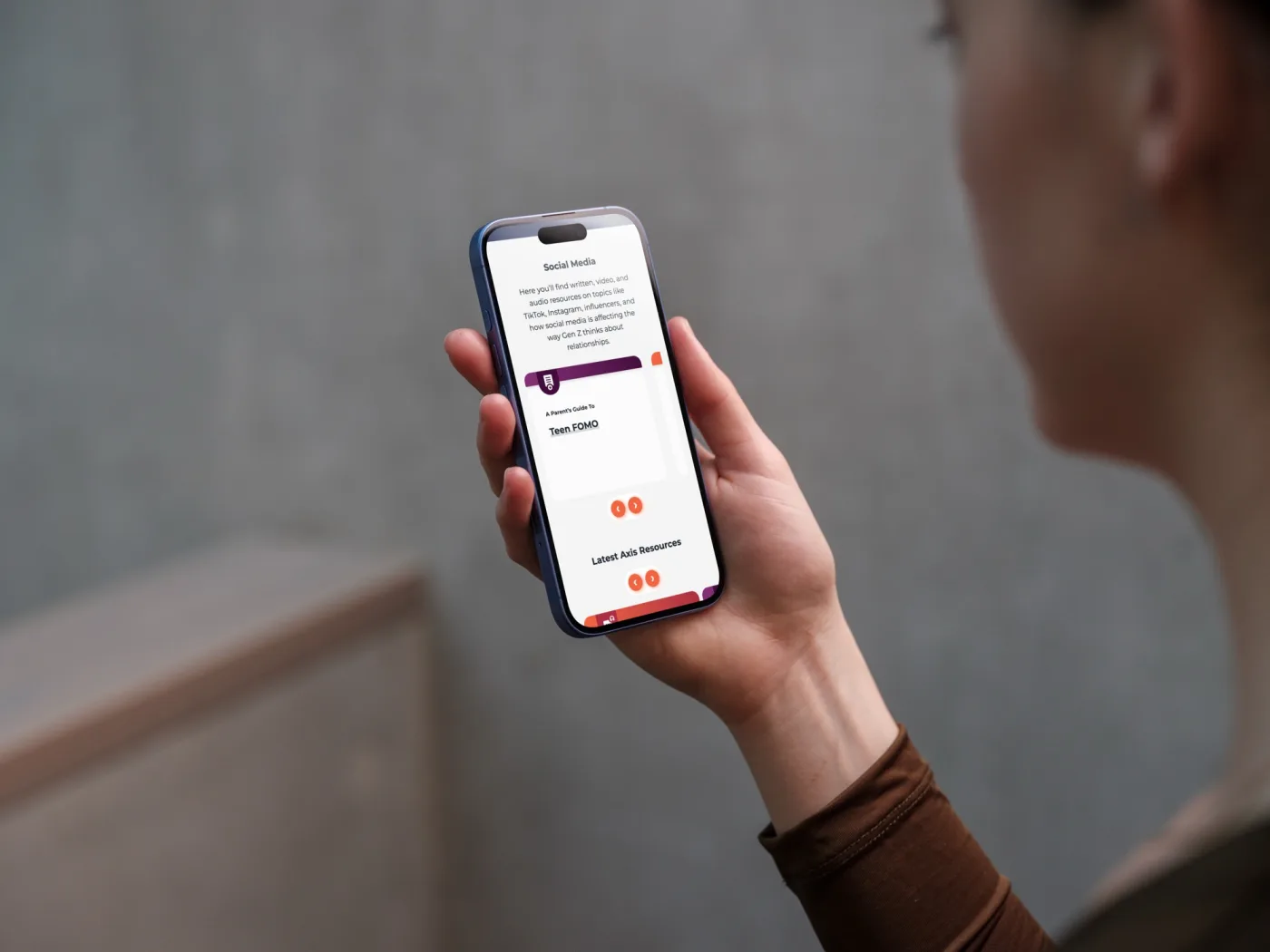 Right message, right reader
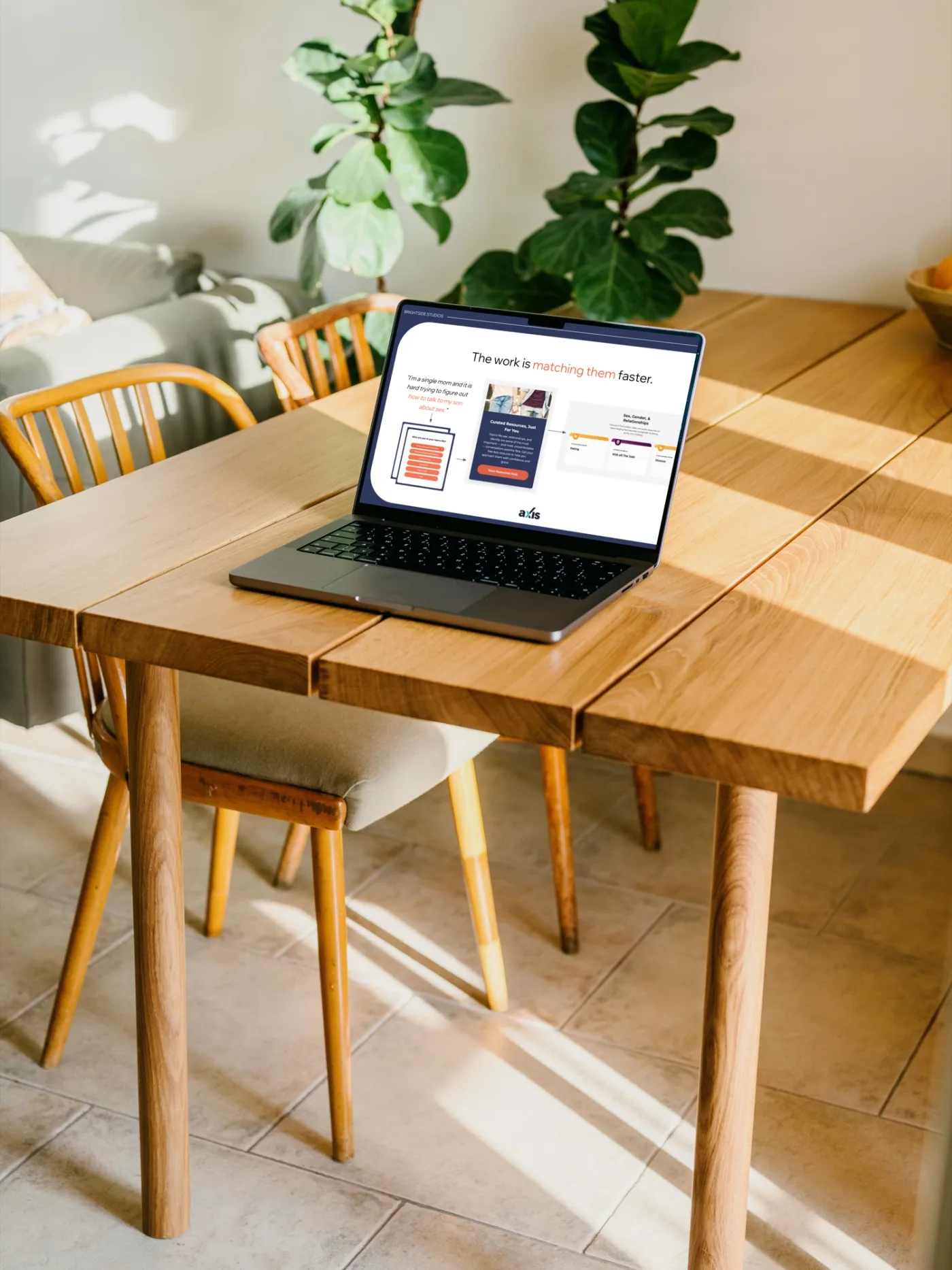 Donor-readiness scoring
In Michele's words.
“More than helping us implement the technology, Brad helped us think differently about how we serve our audience.”
“Personalization isn't about sending more. It's about serving people better by connecting them with the right content at the right time.”
“I'm grateful for his partnership and can't recommend him highly enough.”
The reach was never the problem. Now the website does something with it. If your ministry has the audience but the site still treats everyone like a stranger, that is the gap we close.
What could your website and email be worth?
Answer a few quick questions and see what your current audience could be worth. It takes about a minute.